https://arxiv.org/abs/2601.06429
0. Abstract
Time series classification remains a challenging task due to strong domain dependency, varying temporal scales, and diverse signal morphologies.
While deep learning models have significantly improved performance, most existing approaches are still trained per dataset and fail to generalize across domains.
This paper introduces a unified shape-aware foundation model for time series classification.
Instead of modeling time series purely as sequential data, the proposed approach explicitly focuses on shape-level patterns that recur across different datasets and tasks.
By pretraining on diverse time series collections and learning reusable shape-centric representations, the model demonstrates strong transferability and competitive performance on a wide range of classification benchmarks.

1. Background: Why Time Series Classification Is Still Difficult
Time series data is ubiquitous across domains:
- IoT and sensor networks
- Finance and economic indicators
- Medical and physiological signals
- User behavior and system logs
Despite its prevalence, time series classification poses several inherent challenges:
- Large variability across domains
- Different sequence lengths and temporal resolutions
- Critical information often lies in signal shape, not absolute values
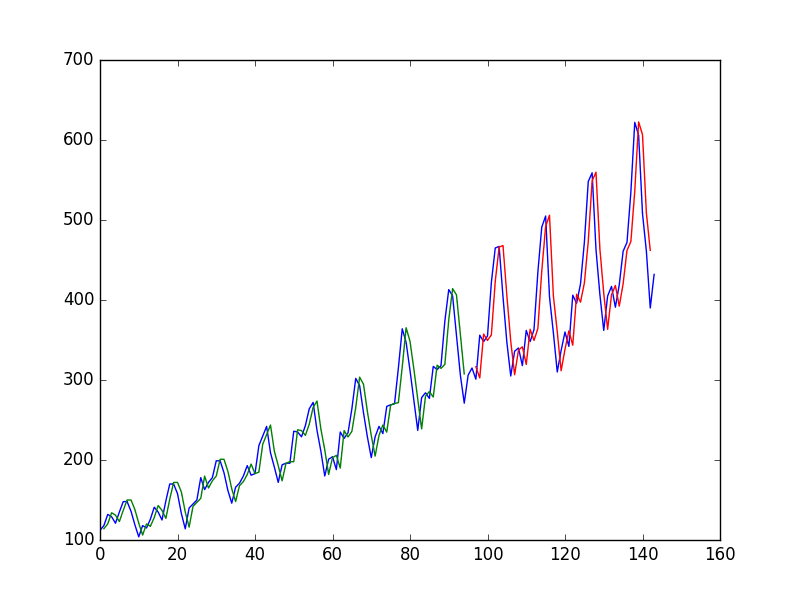
Most existing deep learning models emphasize temporal dependency or frequency characteristics, but they do not explicitly model shape similarity, which is often the key discriminative factor.
2. Limitations of Existing Approaches
Current time series classification methods suffer from two major limitations.
First, dataset-specific learning.
Models are typically trained on a single dataset, and their performance degrades sharply when applied to unseen domains.
Second, implicit handling of shape information.
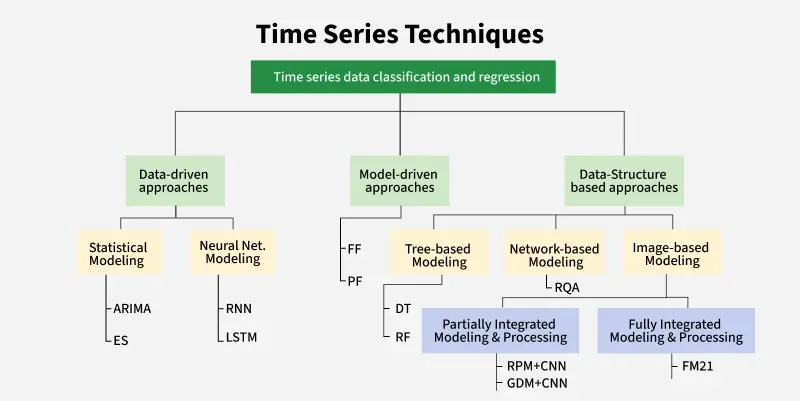
CNNs, RNNs, and Transformers may capture local patterns, but shape is treated as a byproduct rather than a first-class representation.
As a result, these models require large labeled datasets and frequent retraining to remain effective.
3. Core Idea: Shape-Aware Foundation Model
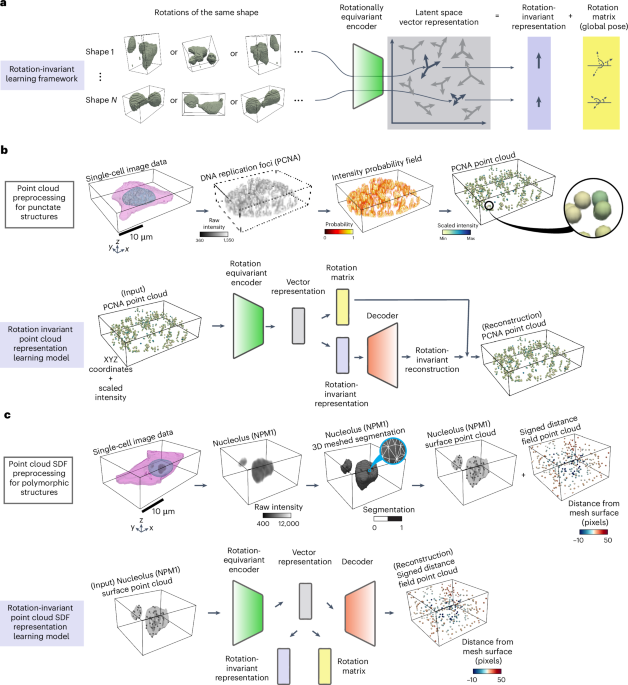
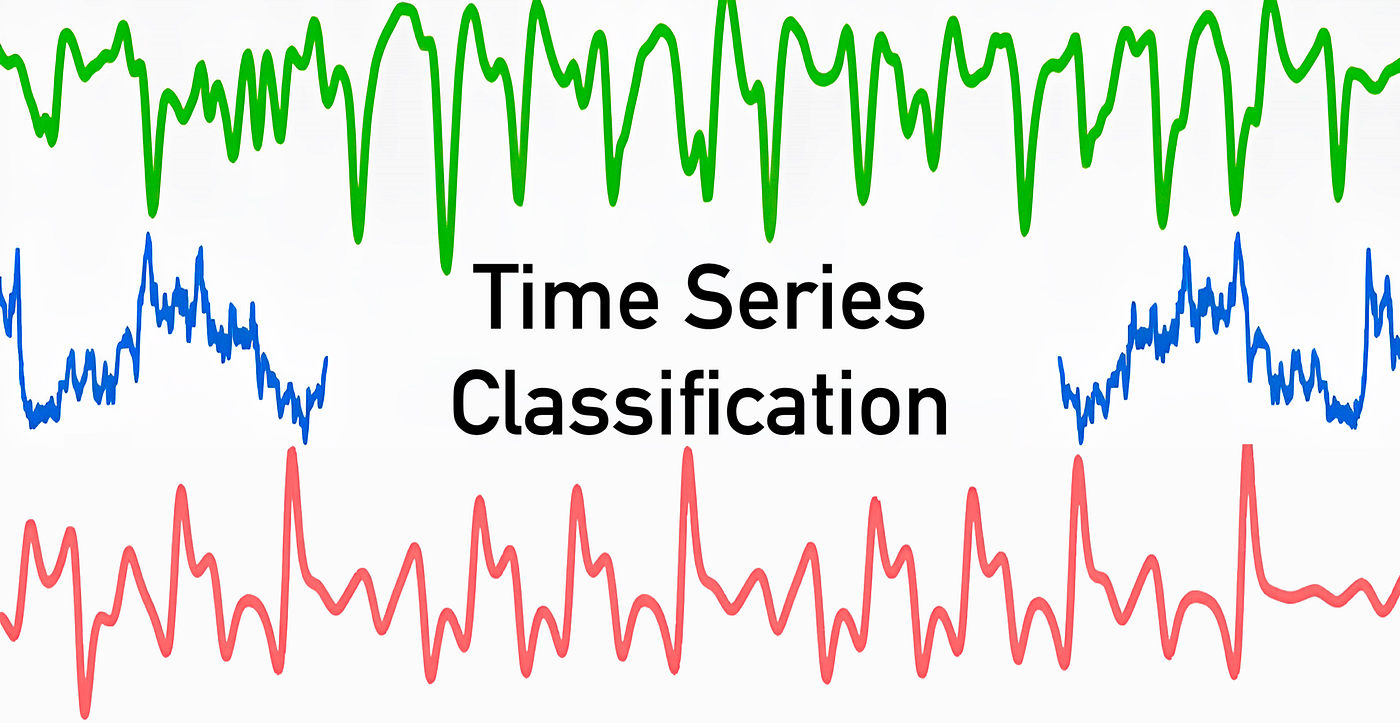
The central idea of this paper is to view time series as compositions of reusable shapes.
The authors observe that many classification tasks rely on recurring local patterns—such as peaks, valleys, trends, or oscillations—that appear across different datasets.
Based on this insight, the proposed model:
- Encodes time series into local shape units
- Learns a shared representation space for shapes
- Builds a foundation model through large-scale pretraining
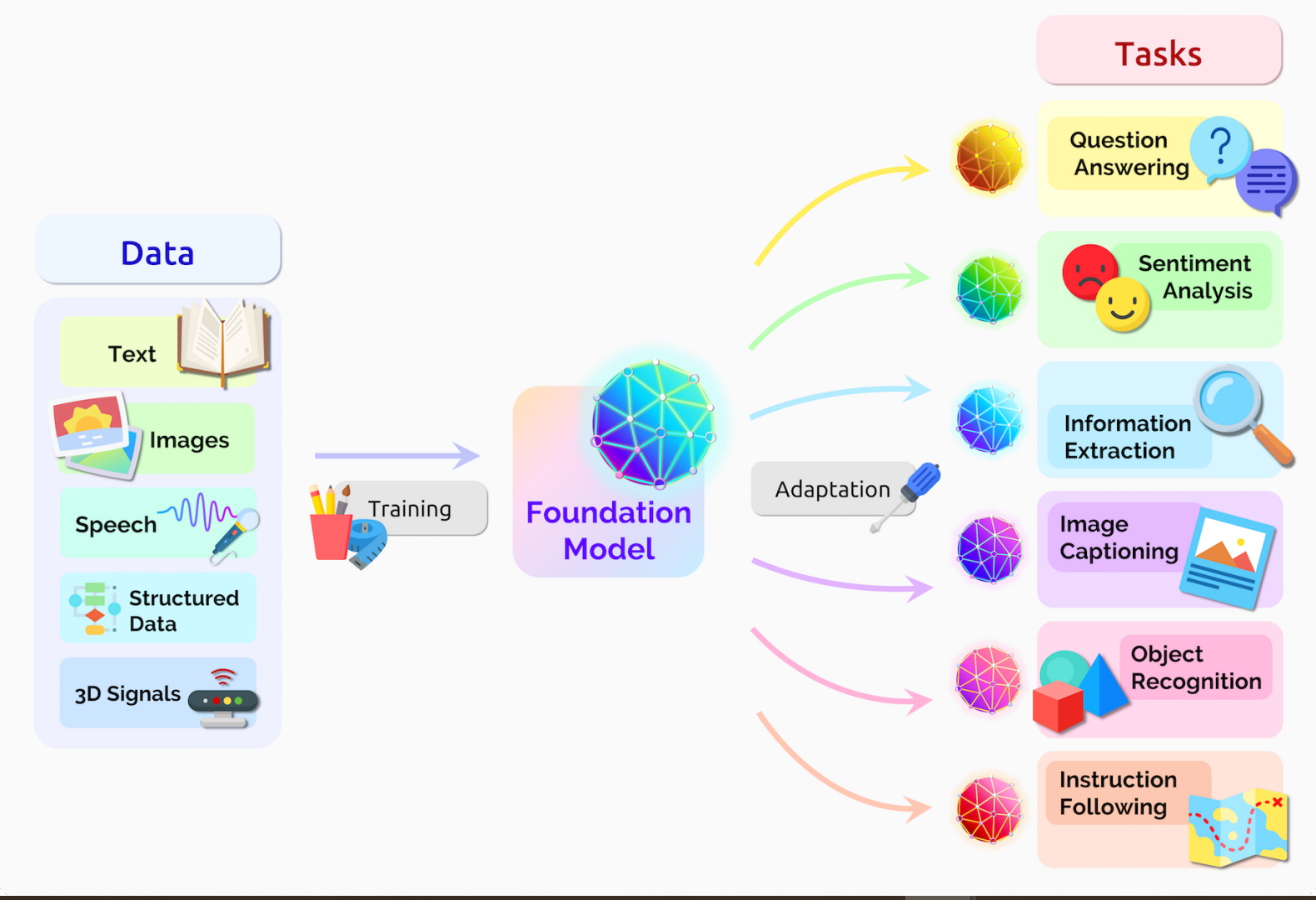
This shifts time series classification from task-specific learning toward representation-centric learning, similar to the evolution seen in NLP and vision.
4. Model Architecture and Training Strategy
The proposed framework follows a modular pipeline:
- Segment input time series into multi-scale windows
- Extract shape-aware features from each segment
- Aggregate shape representations into a global embedding
- Transfer the pretrained representation to downstream classification tasks
Notably, the emphasis is placed on pretraining the representation, not on designing complex task-specific classifiers.
This allows the model to adapt to new datasets with minimal fine-tuning.
5. Experimental Results
The authors evaluate the model on multiple standard time series classification benchmarks.
Key findings include:
- Competitive or superior performance compared to state-of-the-art methods
- Strong generalization across diverse datasets
- Clear benefits in low-label and transfer learning settings
These results confirm that shape-aware representations capture essential information that general-purpose sequence models often miss.


6. Why This Paper Matters
This work reframes time series classification as a foundation model problem rather than a collection of isolated tasks.
Its broader implications include:
- Introducing foundation models to time series analysis
- Enabling cross-domain reuse of learned representations
- Reducing dependence on large labeled datasets
The paper provides a clear direction for building scalable and reusable time series intelligence.
7. Personal Reflection
What makes this paper particularly compelling is its shift in perspective.
Instead of asking how to build a better classifier for each dataset, it asks how to learn universal shape representations that generalize.
As AI systems increasingly operate across domains, such representation-driven approaches may become essential.
This work feels like an early but important step toward that future.
0. Abstract
Time series classification remains a challenging task due to strong domain dependency, varying temporal scales, and diverse signal morphologies.
While deep learning models have significantly improved performance, most existing approaches are still trained per dataset and fail to generalize across domains.
This paper introduces a unified shape-aware foundation model for time series classification.
Instead of modeling time series purely as sequential data, the proposed approach explicitly focuses on shape-level patterns that recur across different datasets and tasks.
By pretraining on diverse time series collections and learning reusable shape-centric representations, the model demonstrates strong transferability and competitive performance on a wide range of classification benchmarks.
1. Background: Why Time Series Classification Is Still Difficult
Time series data is ubiquitous across domains:
- IoT and sensor networks
- Finance and economic indicators
- Medical and physiological signals
- User behavior and system logs
Despite its prevalence, time series classification poses several inherent challenges:
- Large variability across domains
- Different sequence lengths and temporal resolutions
- Critical information often lies in signal shape, not absolute values
Most existing deep learning models emphasize temporal dependency or frequency characteristics, but they do not explicitly model shape similarity, which is often the key discriminative factor.
2. Limitations of Existing Approaches
Current time series classification methods suffer from two major limitations.
First, dataset-specific learning.
Models are typically trained on a single dataset, and their performance degrades sharply when applied to unseen domains.
Second, implicit handling of shape information.
CNNs, RNNs, and Transformers may capture local patterns, but shape is treated as a byproduct rather than a first-class representation.
As a result, these models require large labeled datasets and frequent retraining to remain effective.
3. Core Idea: Shape-Aware Foundation Model
The central idea of this paper is to view time series as compositions of reusable shapes.
The authors observe that many classification tasks rely on recurring local patterns—such as peaks, valleys, trends, or oscillations—that appear across different datasets.
Based on this insight, the proposed model:
- Encodes time series into local shape units
- Learns a shared representation space for shapes
- Builds a foundation model through large-scale pretraining
This shifts time series classification from task-specific learning toward representation-centric learning, similar to the evolution seen in NLP and vision.
4. Model Architecture and Training Strategy
The proposed framework follows a modular pipeline:
- Segment input time series into multi-scale windows
- Extract shape-aware features from each segment
- Aggregate shape representations into a global embedding
- Transfer the pretrained representation to downstream classification tasks
Notably, the emphasis is placed on pretraining the representation, not on designing complex task-specific classifiers.
This allows the model to adapt to new datasets with minimal fine-tuning.
5. Experimental Results
The authors evaluate the model on multiple standard time series classification benchmarks.
Key findings include:
- Competitive or superior performance compared to state-of-the-art methods
- Strong generalization across diverse datasets
- Clear benefits in low-label and transfer learning settings
These results confirm that shape-aware representations capture essential information that general-purpose sequence models often miss.
6. Why This Paper Matters
This work reframes time series classification as a foundation model problem rather than a collection of isolated tasks.
Its broader implications include:
- Introducing foundation models to time series analysis
- Enabling cross-domain reuse of learned representations
- Reducing dependence on large labeled datasets
The paper provides a clear direction for building scalable and reusable time series intelligence.
7. Personal Reflection
What makes this paper particularly compelling is its shift in perspective.
Instead of asking how to build a better classifier for each dataset, it asks how to learn universal shape representations that generalize.
As AI systems increasingly operate across domains, such representation-driven approaches may become essential.
This work feels like an early but important step toward that future.
0. Abstract
Time series classification remains a challenging task due to strong domain dependency, varying temporal scales, and diverse signal morphologies.
While deep learning models have significantly improved performance, most existing approaches are still trained per dataset and fail to generalize across domains.
This paper introduces a unified shape-aware foundation model for time series classification.
Instead of modeling time series purely as sequential data, the proposed approach explicitly focuses on shape-level patterns that recur across different datasets and tasks.
By pretraining on diverse time series collections and learning reusable shape-centric representations, the model demonstrates strong transferability and competitive performance on a wide range of classification benchmarks.
1. Background: Why Time Series Classification Is Still Difficult
Time series data is ubiquitous across domains:
- IoT and sensor networks
- Finance and economic indicators
- Medical and physiological signals
- User behavior and system logs
Despite its prevalence, time series classification poses several inherent challenges:
- Large variability across domains
- Different sequence lengths and temporal resolutions
- Critical information often lies in signal shape, not absolute values
Most existing deep learning models emphasize temporal dependency or frequency characteristics, but they do not explicitly model shape similarity, which is often the key discriminative factor.
2. Limitations of Existing Approaches
Current time series classification methods suffer from two major limitations.
First, dataset-specific learning.
Models are typically trained on a single dataset, and their performance degrades sharply when applied to unseen domains.
Second, implicit handling of shape information.
CNNs, RNNs, and Transformers may capture local patterns, but shape is treated as a byproduct rather than a first-class representation.
As a result, these models require large labeled datasets and frequent retraining to remain effective.
3. Core Idea: Shape-Aware Foundation Model
The central idea of this paper is to view time series as compositions of reusable shapes.
The authors observe that many classification tasks rely on recurring local patterns—such as peaks, valleys, trends, or oscillations—that appear across different datasets.
Based on this insight, the proposed model:
- Encodes time series into local shape units
- Learns a shared representation space for shapes
- Builds a foundation model through large-scale pretraining
This shifts time series classification from task-specific learning toward representation-centric learning, similar to the evolution seen in NLP and vision.
4. Model Architecture and Training Strategy
The proposed framework follows a modular pipeline:
- Segment input time series into multi-scale windows
- Extract shape-aware features from each segment
- Aggregate shape representations into a global embedding
- Transfer the pretrained representation to downstream classification tasks
Notably, the emphasis is placed on pretraining the representation, not on designing complex task-specific classifiers.
This allows the model to adapt to new datasets with minimal fine-tuning.
5. Experimental Results
The authors evaluate the model on multiple standard time series classification benchmarks.
Key findings include:
- Competitive or superior performance compared to state-of-the-art methods
- Strong generalization across diverse datasets
- Clear benefits in low-label and transfer learning settings
These results confirm that shape-aware representations capture essential information that general-purpose sequence models often miss.
6. Why This Paper Matters
This work reframes time series classification as a foundation model problem rather than a collection of isolated tasks.
Its broader implications include:
- Introducing foundation models to time series analysis
- Enabling cross-domain reuse of learned representations
- Reducing dependence on large labeled datasets
The paper provides a clear direction for building scalable and reusable time series intelligence.
7. Personal Reflection
What makes this paper particularly compelling is its shift in perspective.
Instead of asking how to build a better classifier for each dataset, it asks how to learn universal shape representations that generalize.
As AI systems increasingly operate across domains, such representation-driven approaches may become essential.
This work feels like an early but important step toward that future.