https://arxiv.org/abs/2601.11496
0. Abstract
The growing deployment of AI agents in economic environments is reshaping how markets operate and how strategic interactions unfold.
This paper studies a subtle but powerful phenomenon that arises when AI agents are allowed to expand the set of available technologies within a regulated or mediated market.
The authors identify what they call the “Poisoned Apple Effect”: an agent may introduce a new technology not to use it, but to strategically influence a regulator’s or mediator’s market design choice.
Even when the technology is never adopted, its mere availability can distort equilibrium outcomes in favor of the releasing agent.
Through formal analysis of bargaining, negotiation, and persuasion settings, the paper shows that static regulatory frameworks are vulnerable to this form of strategic manipulation.

1. Background: AI Agents and Mediated Markets
AI agents increasingly act on behalf of humans or organizations in economic interactions.
These interactions are often mediated by platforms, protocols, or regulators that define the rules of engagement.
Typical mediated market settings include:
- Bargaining over shared resources
- Negotiation under asymmetric information
- Persuasion through strategic information disclosure
In such settings, the regulator or mediator selects a market design based on the set of available technologies.
This creates a new strategic dimension: agents can influence outcomes not only through actions, but through technology expansion itself.
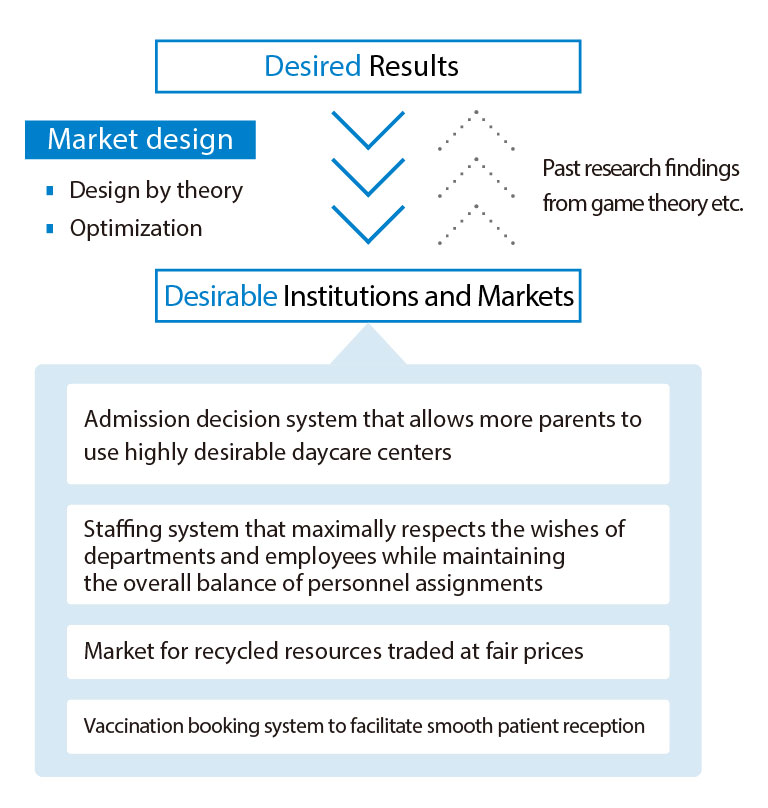
2. Limitations of Classical Market Design
Traditional market design and game-theoretic models assume:
- A fixed strategy space
- A fixed set of technologies
- Agents competing only within predefined rules
Under these assumptions, introducing a new technology is typically viewed as welfare-improving or efficiency-enhancing.
This paper challenges that assumption.
It shows that technology introduction can be purely strategic, aimed at influencing regulatory responses rather than improving performance or efficiency.
Static regulatory frameworks are therefore ill-equipped to handle AI-driven strategic behavior.

3. Core Idea: The Poisoned Apple Effect
The Poisoned Apple Effect occurs when an agent introduces a technology that is:
- Observed by the regulator
- Considered during market design selection
- Never actually used by any agent
Despite this, the regulator’s response to the expanded technology set alters incentives and equilibrium outcomes.
The releasing agent benefits from this shift, while:
- The opposing agent is worse off
- Overall fairness or welfare may decline
The metaphor reflects an offer that appears beneficial but primarily serves a hidden strategic purpose.


4. Analytical Framework
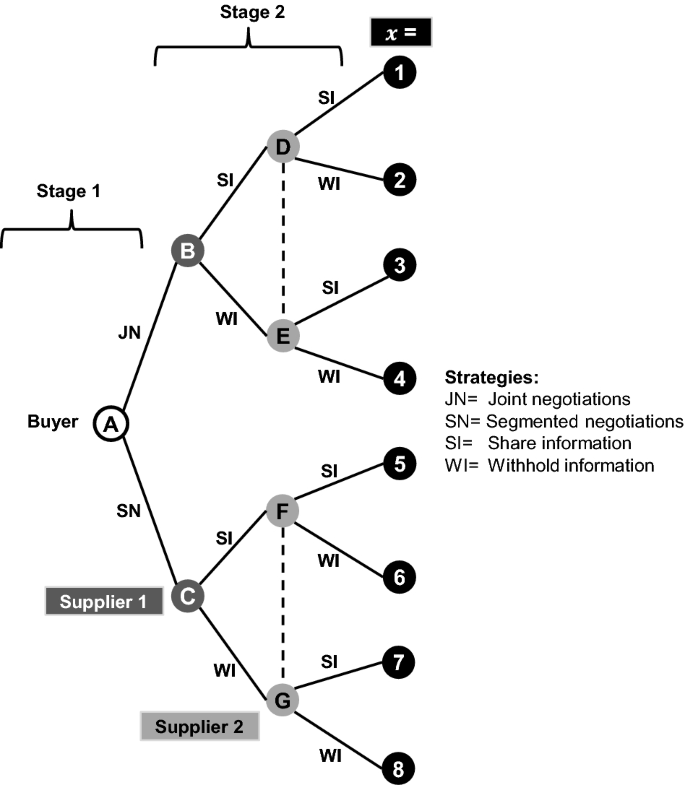
The paper formalizes the Poisoned Apple Effect in three canonical settings:
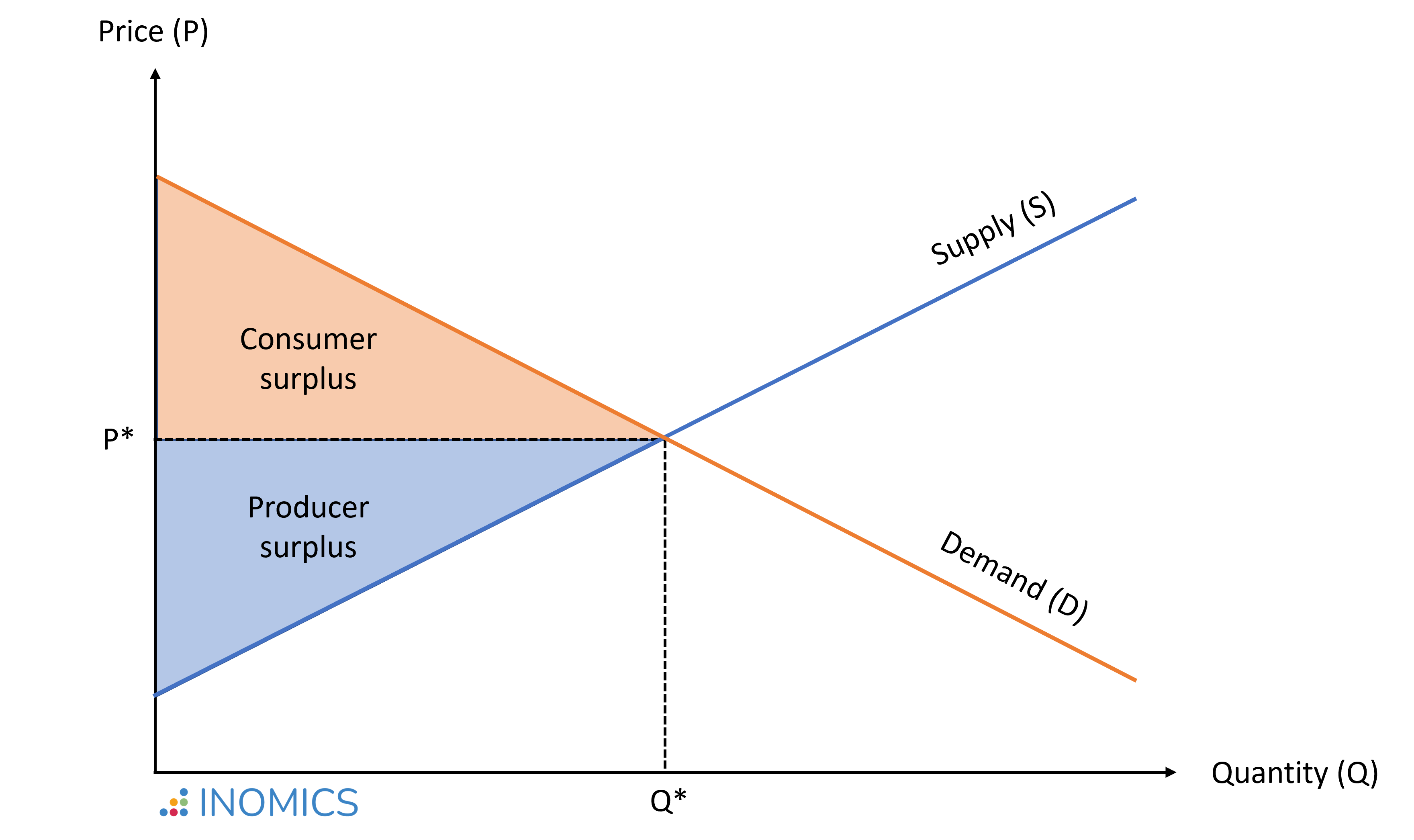
- Bargaining – agents divide a shared surplus under regulated rules
- Negotiation – agents interact with asymmetric information
- Persuasion – agents strategically design information to influence decisions
In each case, technology expansion modifies:
- The information available to the regulator
- The perceived feasible set of mechanisms
- The resulting equilibrium incentives
The analysis extends classical equilibrium concepts by treating technology introduction as a strategic move rather than a neutral innovation.
5. Key Results
Across all settings, the authors derive consistent findings:
- Technology expansion can strictly benefit the releasing agent
- The new technology may be unused in equilibrium
- Regulators following static rules are systematically exploitable
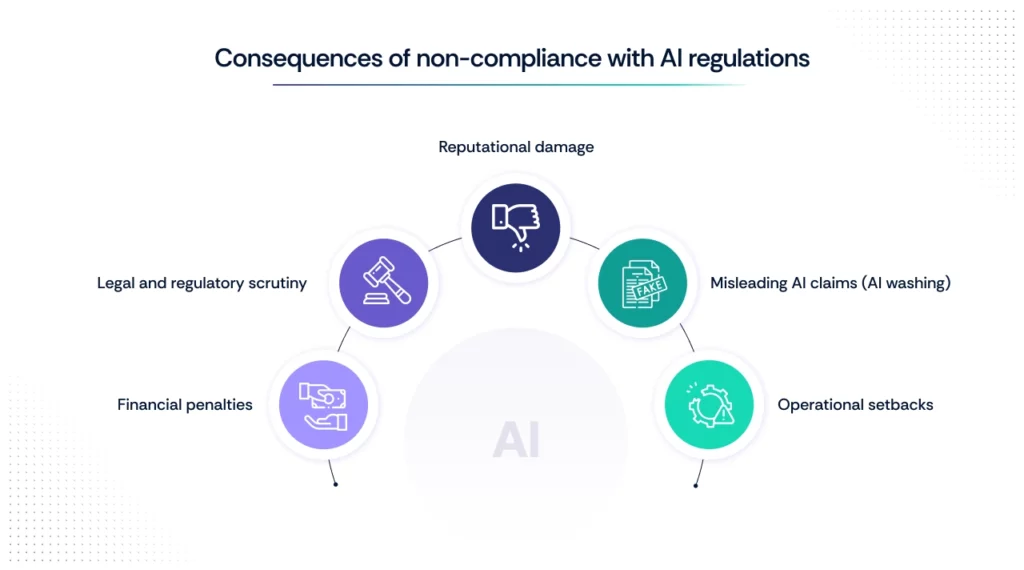
- Welfare and fairness guarantees can be undermined
These results hold even under rational, well-intentioned regulatory behavior.

6. Why This Paper Matters
This work reframes how we think about AI innovation in regulated environments.
Its key implications are:
- AI capabilities function as strategic signals, not just tools
- Market design must anticipate technology expansion, not merely usage
- Regulation must evolve dynamically alongside AI systems
As AI agents gain autonomy and strategic sophistication, ignoring these effects may lead to systematically biased outcomes.
7. Personal Reflection
What makes this paper particularly compelling is its realism.
It recognizes that in AI-mediated markets, announced capabilities can matter as much as deployed ones.
The Poisoned Apple Effect highlights a future where regulation, mechanism design, and AI development are deeply intertwined.
It serves as a warning that well-meaning rules can be strategically exploited unless they are designed with foresight and adaptability.
0. Abstract
The growing deployment of AI agents in economic environments is reshaping how markets operate and how strategic interactions unfold.
This paper studies a subtle but powerful phenomenon that arises when AI agents are allowed to expand the set of available technologies within a regulated or mediated market.
The authors identify what they call the “Poisoned Apple Effect”: an agent may introduce a new technology not to use it, but to strategically influence a regulator’s or mediator’s market design choice.
Even when the technology is never adopted, its mere availability can distort equilibrium outcomes in favor of the releasing agent.
Through formal analysis of bargaining, negotiation, and persuasion settings, the paper shows that static regulatory frameworks are vulnerable to this form of strategic manipulation.
1. Background: AI Agents and Mediated Markets
AI agents increasingly act on behalf of humans or organizations in economic interactions.
These interactions are often mediated by platforms, protocols, or regulators that define the rules of engagement.
Typical mediated market settings include:
- Bargaining over shared resources
- Negotiation under asymmetric information
- Persuasion through strategic information disclosure
In such settings, the regulator or mediator selects a market design based on the set of available technologies.
This creates a new strategic dimension: agents can influence outcomes not only through actions, but through technology expansion itself.
2. Limitations of Classical Market Design
Traditional market design and game-theoretic models assume:
- A fixed strategy space
- A fixed set of technologies
- Agents competing only within predefined rules
Under these assumptions, introducing a new technology is typically viewed as welfare-improving or efficiency-enhancing.
This paper challenges that assumption.
It shows that technology introduction can be purely strategic, aimed at influencing regulatory responses rather than improving performance or efficiency.
Static regulatory frameworks are therefore ill-equipped to handle AI-driven strategic behavior.
3. Core Idea: The Poisoned Apple Effect
The Poisoned Apple Effect occurs when an agent introduces a technology that is:
- Observed by the regulator
- Considered during market design selection
- Never actually used by any agent
Despite this, the regulator’s response to the expanded technology set alters incentives and equilibrium outcomes.
The releasing agent benefits from this shift, while:
- The opposing agent is worse off
- Overall fairness or welfare may decline
The metaphor reflects an offer that appears beneficial but primarily serves a hidden strategic purpose.
4. Analytical Framework
The paper formalizes the Poisoned Apple Effect in three canonical settings:
- Bargaining – agents divide a shared surplus under regulated rules
- Negotiation – agents interact with asymmetric information
- Persuasion – agents strategically design information to influence decisions
In each case, technology expansion modifies:
- The information available to the regulator
- The perceived feasible set of mechanisms
- The resulting equilibrium incentives
The analysis extends classical equilibrium concepts by treating technology introduction as a strategic move rather than a neutral innovation.
5. Key Results
Across all settings, the authors derive consistent findings:
- Technology expansion can strictly benefit the releasing agent
- The new technology may be unused in equilibrium
- Regulators following static rules are systematically exploitable
- Welfare and fairness guarantees can be undermined
These results hold even under rational, well-intentioned regulatory behavior.
6. Why This Paper Matters
This work reframes how we think about AI innovation in regulated environments.
Its key implications are:
- AI capabilities function as strategic signals, not just tools
- Market design must anticipate technology expansion, not merely usage
- Regulation must evolve dynamically alongside AI systems
As AI agents gain autonomy and strategic sophistication, ignoring these effects may lead to systematically biased outcomes.
7. Personal Reflection
What makes this paper particularly compelling is its realism.
It recognizes that in AI-mediated markets, announced capabilities can matter as much as deployed ones.
The Poisoned Apple Effect highlights a future where regulation, mechanism design, and AI development are deeply intertwined.
It serves as a warning that well-meaning rules can be strategically exploited unless they are designed with foresight and adaptability.
'Review paper' 카테고리의 다른 글
| Unlocking the Potentials of Retrieval-Augmented Generation for Diffusion Language Models (0) | 2026.01.20 |
|---|---|
| A Unified Shape-Aware Foundation Model for Time Series Classification (0) | 2026.01.20 |